


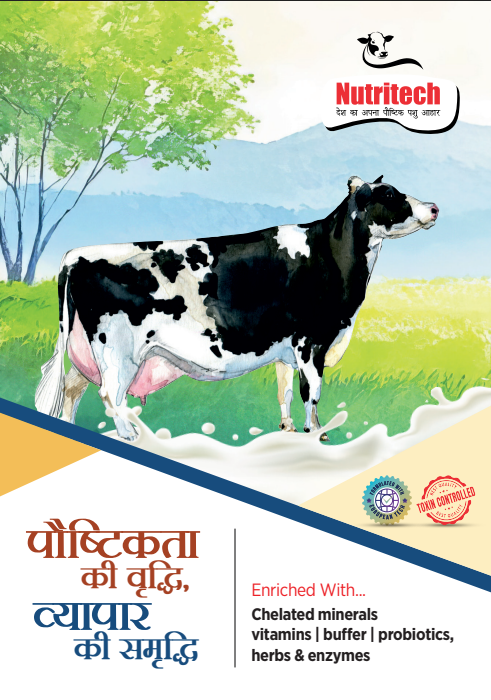
Understanding Acidosis in Cattle: Symptoms, Risks & Prevention
By Nutritech Cattle Feed – Advancing Scientific Cattle Nutrition
Rumen acidosis is one of the most common metabolic disorders affecting dairy and beef cattle today. It is primarily linked to feeding practices and nutritional imbalance, especially in high-producing animals.
At Nutritech, we believe that scientifically balanced cattle nutrition is the key to improving productivity while ensuring animal health. Understanding acidosis is crucial for every farmer, nutritionist, and dairy professional.
What is Acidosis in Cattle?
Acidosis occurs when the pH level of the rumen drops due to excessive acid production, mainly lactic acid. This happens when cattle consume large amounts of rapidly fermentable carbohydrates (like grains) without sufficient fiber.
There are two main types:
- Acute Acidosis– Severe, sudden, and can be life-threatening
- Subacute Acidosis (SARA)– More common, chronic, and often unnoticed
Farmers should watch for the following signs:
Early Symptoms
- Reduced feed intake
- Lethargy and dullness
- Reduced cud chewing (rumination)
Visible Clinical Signs
· Loose, greyish or bubbly dung
- Diarrhea and dehydration
- Excessive salivation and panting
- Kicking at belly (discomfort)
Advanced Symptoms
- Drop in milk production and fat %
- Laminitis (hoof problems)
- Weight loss and poor growth
- In severe cases: collapse or death
Acidosis is primarily a nutritional disorder, caused by:
1. High Concentrate Diet
- Excess grains and starch-rich feed
- Rapid fermentation leads to acid accumulation
2. Low Fiber Intake
- Lack of effective fiber reduces saliva buffering
- Poor rumination leads to lower pH stability
3. Sudden Feed Changes
- Abrupt shift from roughage to concentrate diets
- Rumen microbes fail to adapt quickly
4. Irregular Feeding Practices
- Overeating after long hunger periods
- Inconsistent feeding schedules
Impact on Productivity & Farm Economics
Acidosis is not just a health issue—it is an economic concern:
- Reduced milk yield and fat content
- Poor feed conversion efficiency
- Increased veterinary costs
- Higher risk of secondary diseases
Even subclinical acidosis can significantly reduce herd performance and profitability.
How Acidosis Can Be Minimized
. Balanced Feed Formulation
- Maintain proper fiber-to-concentrate ratio
- Ensure physically effective fiber in diet
2. Gradual Diet Transition
- Introduce concentrate feed slowly over 3–6 weeks
3. Consistent Feeding Schedule
- Avoid long gaps and sudden overeating
4. Use of Feed Additives
- Buffers (like sodium bicarbonate)
- Yeast cultures & probiotics to stabilize rumen pH
5. Quality Cattle Feed
- Use scientifically formulated feed like Nutritech cattle feed, designed to:
- Optimize digestion
- Maintain rumen health
- Improve milk yield safely
6. Monitor Animal Behavior
- Observe cud chewing, dung consistency, and feed intake daily
Nutritech’s Approach to Prevent Acidosis
At Nutritech, we focus on:
- Precision Nutrition– Balanced energy, fiber, and protein
- Rumen Health Support– Inclusion of buffers and probiotics
- Farmer Awareness– Training on feeding practices
- Quality Assurance– Consistent and safe feed production
Our goal is to help farmers achieve maximum productivity with minimum health risks.
Conclusion
Acidosis in cattle is a silent but serious disorder that can significantly affect herd health and farm profitability. However, with proper feeding management, balanced nutrition, and awareness, it can be effectively prevented.
Nutritech remains committed to supporting farmers with innovative, safe, and scientifically designed cattle feed solutions for a healthier and more productive future.
1. Balanced Feed Formulation
- Maintain proper fiber-to-concentrate ratio
- Ensure physically effective fiber in diet
2. Gradual Diet Transition
- Introduce concentrate feed slowly over 3–6 weeks
3. Consistent Feeding Schedule
- Avoid long gaps and sudden overeating
4. Use of Feed Additives
- Buffers (like sodium bicarbonate)
- Yeast cultures & probiotics to stabilize rumen pH
5. Quality Cattle Feed
- Use scientifically formulated feed like Nutritech cattle feed, designed to:
- Optimize digestion
- Maintain rumen health
- Improve milk yield safely
6. Monitor Animal Behavior
- Observe cud chewing, dung consistency, and feed intake daily
Nutritech’s Approach to Prevent Acidosis
At Nutritech, we focus on:
- Precision Nutrition– Balanced energy, fiber, and protein
- Rumen Health Support– Inclusion of buffers and probiotics
- Farmer Awareness– Training on feeding practices
- Quality Assurance– Consistent and safe feed production
Our goal is to help farmers achieve maximum productivity with minimum health risks.
Conclusion
Acidosis in cattle is a silent but serious disorder that can significantly affect herd health and farm profitability. However, with proper feeding management, balanced nutrition, and awareness, it can be effectively prevented.
Nutritech remains committed to supporting farmers with innovative, safe, and scientifically designed cattle feed solutions for a healthier and more productive future.
