


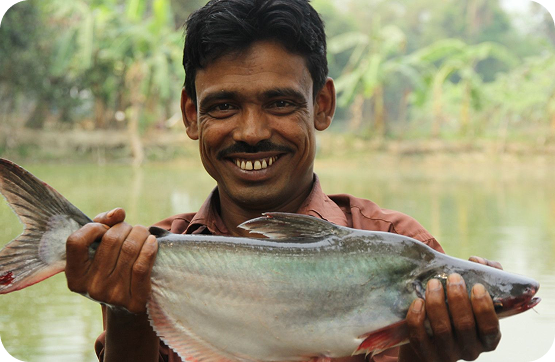
Summer Fish Feeding Guide with Nutritech Floating Feed
As summer temperatures rise, fish farmers often notice changes in fish behavior and feeding patterns. Warm water naturally increases fish metabolism, meaning fish require more energy and nutrition for healthy growth. However, excessive heat also reduces dissolved oxygen in water, making fish sluggish and less active during the hottest hours of the day. Managing feeding correctly during summer is essential for maintaining fish health, improving growth, and protecting water quality.
Understanding Fish Behavior in Summer
During summer, fish tend to avoid direct heat by moving toward deeper, cooler, or shaded areas of ponds. They become more active during the cooler parts of the day, especially early mornings and evenings. This shift in feeding behavior makes timing and feed management extremely important for fish farmers.
Key Effects of Summer on Fish Feeding
Increased Metabolism
Warm water speeds up fish metabolism, helping fish grow faster when proper nutrition is provided. Fish may require more frequent feeding to maintain healthy growth and energy levels.
Smarter Feeding is Necessary
Although fish metabolism increases, high temperatures reduce oxygen levels in water and increase metabolic waste. Overfeeding during summer can quickly deteriorate water quality and stress the fish. Feeding smaller quantities more frequently is a better strategy than giving large meals at once.
Shift in Feeding Time
Fish prefer feeding during cooler hours such as:
- Early Morning
- Late Evening
Avoid feeding during peak afternoon heat when fish activity is lower.
Reduced Appetite During Extreme Heat
Very hot conditions can make fish lethargic and reduce their appetite. Fish naturally seek cooler and deeper water areas to avoid heat stress.
Why Nutritech Floating Feed is Ideal for Summer
Nutritech Floating Feed is specially designed to support healthy fish growth while helping farmers manage feed efficiency during changing seasonal conditions.
Benefits of Nutritech Floating Feed in Summer
- Easy Feeding Monitoring
Floating feed allows farmers to observe feeding behavior directly and prevent overfeeding. - Better Feed Conversion Ratio (FCR)
Properly balanced nutrition helps fish utilize feed efficiently even during stressful summer conditions. - Reduced Water Pollution
Since floating pellets remain visible on the surface, leftover feed can be minimized, helping maintain better water quality. - Supports Healthy Growth
Nutritech floating feed provides essential nutrients required for faster and healthier fish growth. - Suitable for Controlled Feeding
Ideal for feeding small portions multiple times during cooler hours of the day.
Summer Fish Care Tips
- Feed in Cooler Hours
Provide feed during:
- Early Morning
- Evening or Sunset Hours
This improves feed intake and reduces wastage.
- Reduce Feed Quantity if Necessary
If fish do not finish feed within 2–3 minutes:
- Reduce feed quantity by 10–20%
- Avoid unnecessary feed accumulation in water
- Maintain Oxygen Levels
Warm water contains less dissolved oxygen. Ensure proper aeration through:
- Paddle wheels
- Aerators
- Water circulation systems
- Maintain Proper Water Depth
Deeper water helps maintain stable temperatures and gives fish cooler areas to rest during extreme heat.
- Observe Fish Behavior Regularly
Watch for:
- Reduced feeding activity
- Gasping near the surface
- Slow movement
These may indicate heat stress or low oxygen levels.
Conclusion
Summer can be challenging for fish farming, but proper feed management and pond care can maintain healthy growth and reduce stress in fish. Using Nutritech Floating Feed along with smart feeding practices helps farmers improve feed efficiency, maintain water quality, and achieve better fish growth even during high temperatures.
By feeding at the right time, controlling feed quantity, and ensuring adequate oxygen levels, fish farmers can successfully manage summer conditions and maximize productivity.
